

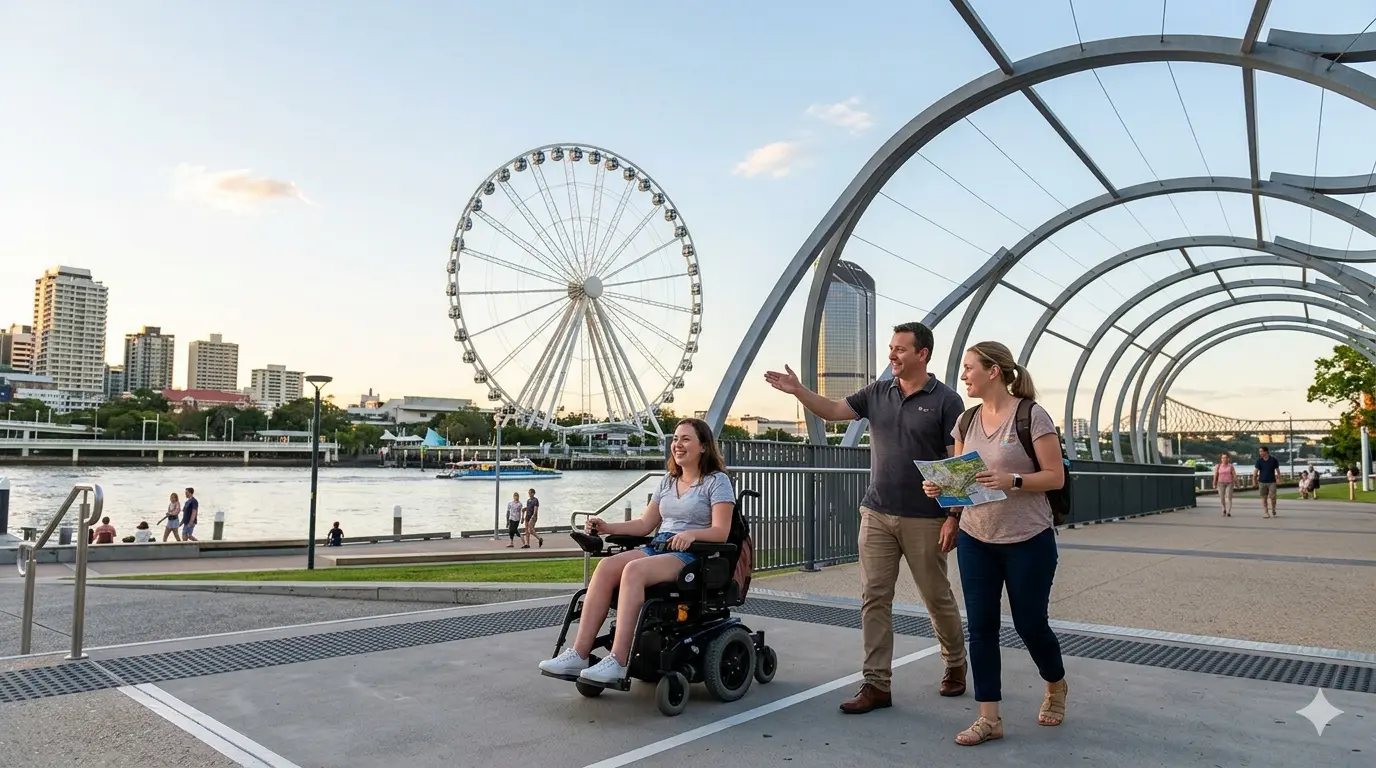
Finding the right disability support provider in Brisbane is a personal journey that requires more than just a quick search. With the NDIS landscape constantly shifting across South East Queensland, you need a team that aligns with your goals and respects your independence.
Whether you are looking for community access in the CBD or daily living support in suburbs like Eight Mile Plains or Hawthorne, the initial meeting is your best chance to vet a provider. By focusing on choosing an NDIS provider in Brisbane that fits your lifestyle, you ensure your funding actually works for you.
Here are the essential questions you should ask to ensure you receive reliable disability care in Brisbane.
1. Can I choose my own support workers?
The relationship between you and your support worker is the foundation of your care. It is an intimate partnership. This person may be helping you with personal hygiene, accompanying you to social events, or supporting you at work. If the “vibe” isn’t right, the support becomes a chore rather than a bridge to independence.
The problem with “Roster-First” agencies
Many large agencies operate on a “roster-first” basis. They have a pool of staff and assign whoever is closest or currently off-shift. This often leads to a rotating door of different faces in your home. For many participants, especially those with sensory sensitivities or anxiety, this lack of consistency is a major setback.
What you should expect
A provider that respects your autonomy will offer a “Person-Centered” matching process. This means:
-
Interviews: You should be able to meet a worker for coffee or a chat before they start their first shift.
-
Preferences: You have the right to specify gender, age range, and even personality traits.
-
Veto Power: If a worker starts and you don’t feel comfortable, the provider should have a smooth process for changing staff without making you feel guilty.
The Brisbane advantage
Local NDIS disability support services in Brisbane that hire from within your suburb whether that’s Eight Mile Plains, Carindale, or Chermside tend to have better retention. When a worker lives 10 minutes away, they are less likely to call in sick due to M1 traffic, leading to more consistent care for you.
2. How do you support “Choice and Control” in my daily routine?
“Choice and Control” is more than an NDIS buzzword; it is your legal right. It means you decide how, when, and where your supports are delivered. When researching questions for NDIS providers, this should be at the top of your list to ensure the agency isn’t making all the rules for you.
Spotting a flexible provider
During your meeting, ask: “If I decide on Tuesday morning that I want to skip my usual gym session and go to the GOMA at South Bank instead, how does your team handle that?”
A flexible provider will say: “Our workers are trained to follow your lead. As long as the transport and hours are within your budget, we make it happen.” A rigid provider will say: “We need 48 hours’ notice for any changes to the scheduled activity.”
Why flexibility is vital for goals
Your goals are dynamic. You might start the year wanting to improve physical fitness and end it wanting to focus on social skills. Your provider must be able to pivot with you. This includes:
-
Flexible Hours: Support that can shift from morning to evening if your social life changes.
-
Activity Choice: Support workers who are willing to try new things with you, from local Brisbane pottery classes to weekend trips to the Gold Coast.
3. What experience do you have with my specific needs?
General disability support is one thing; specialized knowledge is another. A provider may be excellent at assisting people with physical mobility needs but may lack the expertise to support someone with complex communication requirements or psychosocial disabilities.
Experience vs. training
Ask the provider about their staff training programs. Do they simply do the mandatory NDIS modules, or do they invest in specialized training?
-
For Autism/Neurodiversity: Do they understand sensory profiles and “low-arousal” approaches?
-
For Physical Disabilities: Are they experts in manual handling and the specific hoists or equipment you use?
-
For Psychosocial Needs: Do they understand recovery-oriented practice and mental health triggers.
The “evidence” check
Ask for a de-identified example of how they’ve helped someone with a similar profile. For example, if you are looking to move into Specialist Disability Accommodation (SDA) in Brisbane, ask how many participants they have successfully transitioned into independent living.
4. How transparent are your service agreements and pricing?
The NDIS Price Guide is public, but how a provider applies it can be confusing. Transparency in your service agreement protects you from “plan exhaustion, “the term for when your funding runs out too early in the year because of unexpected costs.
What to look for in the agreement
A service agreement should be clear about:
-
Hourly Rates: These should match the current NDIS Price Guide.
-
Travel Costs: How much do they charge per kilometer? Is there a cap?
-
Establishment Fees: Does the provider charge a one-off fee for starting with them?
-
Cancellation Policy: The NDIS allows providers to charge for late cancellations, but a fair provider will work with you if an emergency happens.
Avoiding “Price Gouging”
A quality disability support provider in Brisbane will help you track your spending. They should provide monthly statements that show:
-
How many hours were used.
-
How much money is left in your plan.
-
Any upcoming “high-cost” items like transport or weekend shifts.
5. How do you handle emergencies and feedback?
When you are reliant on support for daily living, a “no-show” or a mistake isn’t just an inconvenience; it can be a crisis. You need to know that your provider is responsive 24/7.
Emergency response
Ask: “If my support worker has a car accident on the way to my house at 7:00 AM, what is your process?” You are looking for a provider with a dedicated on-call coordinator who can quickly find a replacement or contact your family to make a backup plan.
The feedback loop
In Brisbane’s disability sector, reputation is everything. A provider that hides their “Complaints and Feedback” form is a red flag.
-
Ease of Access: Can you give feedback via an app, a phone call, or a simple online form?
-
Non-Retaliation: Do you feel safe speaking up? A professional team will thank you for your feedback because it helps them improve their service.
Brisbane-Specific Considerations
The Brisbane NDIS market has unique features that you can use to your advantage when looking for reliable disability care in Brisbane.
Local community knowledge
A local provider knows that the “Loop” bus in the CBD is free and accessible. They know which parks in the Moreton Bay area have the best accessible BBQ facilities. They know the quietest times to visit the Queen Street Mall for someone with sensory sensitivities. This local “intelligence” adds value to your support hours that a national call center simply can’t match.
Transport and traffic
Brisbane traffic can be unpredictable, especially around the Riverside Expressway or the Gateway Bridge. Ask your provider how they manage staff travel. Do they hire workers who live in your specific cluster of suburbs? This reduces the risk of late starts and stressed workers.
Frequently Asked Questions
1. How do I know if a Brisbane provider is “Registered”?
Ans: You can check the NDIS Provider Finder on the official NDIS website. Registered providers undergo regular audits to ensure they meet high safety and quality standards set by the NDIS Quality and Safeguards Commission.
2. Can I use my funding for transport in Brisbane?
Ans: Yes, but it depends on how your plan is managed. You can use “Core Supports” to pay for a worker to drive you, or you may have a dedicated “Transport” budget for taxis and rideshares.
3. What if I live in Eight Mile Plains and the provider is in the CBD?
Ans: Distance matters. Most providers charge for “Provider Travel” to get to your home. If the provider is far away, this could eat into your budget. It is usually more cost-effective to find a team based on your side of the city.
4. How long does it take to start services?
Ans: Once you sign a service agreement, supports can often start within 1–2 weeks. If a provider says it will take months to find a worker, they likely have staffing shortages.
5. Can I change my mind after signing an agreement?
Ans: Absolutely. Most NDIS service agreements have a “no-fault” termination clause, typically requiring 14 or 28 days’ notice. You are never “locked in” forever.
Final Thoughts
Choosing a disability support provider in Brisbane is about finding a team that sees you as a person, not a line item in a budget. Use these five questions to interview potential partners. If they answer with transparency, empathy, and a clear focus on your goals, you are on the right track to a successful NDIS journey.